

The Role of Labor Markets in National Prosperity
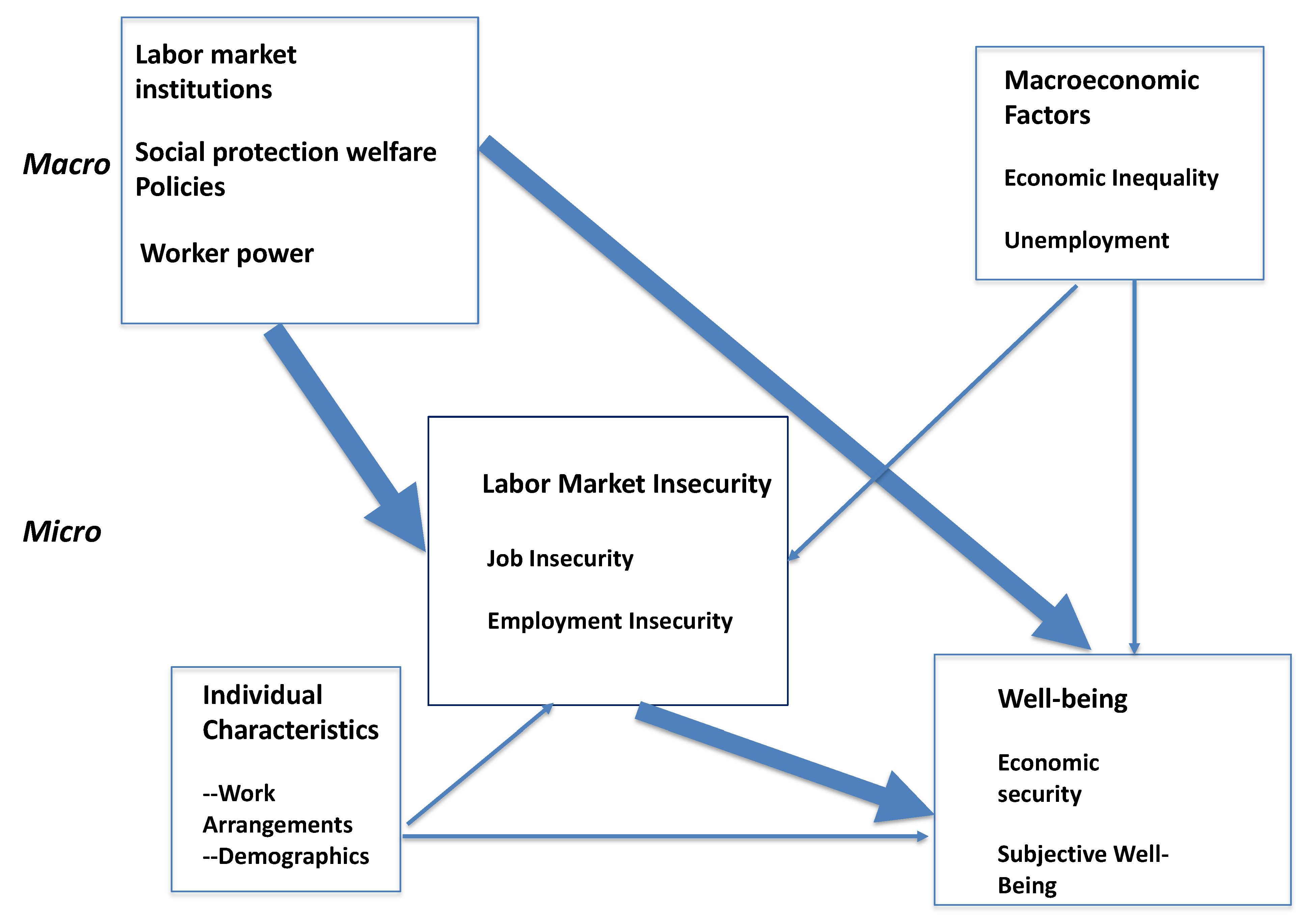
The health of a nation’s economy is intricately linked to the functioning of its labor markets. These markets, where individuals offer their skills and services in exchange for wages, are the engine that drives production, innovation, and ultimately, national prosperity. Understanding how labor markets operate, the forces that influence them, and the challenges they face is crucial for policymakers, businesses, and individuals alike.
Key Takeaways:
- Labor markets directly influence economic growth by determining employment levels, wage rates, and the overall productivity of the workforce.
- Mismatch between skills demanded by employers and the skills possessed by workers can hinder economic progress and create unemployment.
- Government policies, such as education funding, job training programs, and regulations, play a significant role in shaping labor markets.
- Factors such as globalization, technological advancements, and demographic shifts constantly reshape the landscape of labor markets, requiring continuous adaptation and innovation.
The Impact of Functioning Labor Markets on Economic Growth
A well-functioning labor market is essential for sustained economic growth. When businesses can readily find skilled workers, they can expand production, innovate new products and services, and compete effectively in the global marketplace. This leads to increased investment, higher profits, and more job creation. Conversely, if companies struggle to find qualified employees, their growth is stunted, and the overall economy suffers.
The availability of jobs is a key indicator of a healthy labor market. Low unemployment rates generally signal a strong economy, where businesses are hiring and individuals have opportunities to improve their living standards. However, simply having a low unemployment rate is not enough. The quality of jobs, measured by wages, benefits, and working conditions, also matters. When workers earn fair wages and have access to benefits like healthcare and retirement plans, they are more likely to be productive and engaged, contributing to economic growth.
Productivity is another critical factor. A highly productive workforce can produce more goods and services with the same amount of resources, leading to increased efficiency and competitiveness. Investments in education, training, and technology are vital for boosting productivity. For example, the investment of the gb government in STEM education is expected to increase the productivity of the gb work force.
Addressing Skills Gaps in Labor Markets
One of the biggest challenges facing labor markets today is the skills gap – the mismatch between the skills that employers need and the skills that workers possess. This gap can arise for a variety of reasons, including rapid technological advancements, changes in industry demands, and inadequate education and training systems.
When skills gaps exist, businesses struggle to find qualified workers, leading to delays in production, reduced innovation, and lower profits. This can also result in higher unemployment rates, as individuals lack the skills needed to fill available jobs. Addressing skills gaps requires a multi-pronged approach, involving collaboration between educational institutions, businesses, and government agencies.
Educational institutions need to adapt their curricula to reflect the changing demands of the workplace. Businesses can play a role by offering internships, apprenticeships, and on-the-job training programs. Government agencies can provide funding for education and training initiatives, as well as develop policies that encourage lifelong learning.
Government Policies and the Role of Labor Markets
Government policies have a significant impact on labor markets. Minimum wage laws, for example, can affect employment levels and wage rates. Regulations on workplace safety and worker rights can also influence the quality of jobs. Government spending on education and training can help to close skills gaps and improve workforce productivity.
Tax policies can also have an impact. Tax incentives for businesses to invest in training and development can encourage them to provide more opportunities for their employees. Tax policies that encourage entrepreneurship can lead to the creation of new businesses and jobs.
It is important for government policies to be carefully designed to promote a healthy and efficient labor market. Policies that are too restrictive or burdensome can stifle economic growth and create disincentives for businesses to hire. Policies that are too lax can lead to exploitation of workers and a decline in job quality.
The Future of Labor Markets: Adapting to Change
Labor markets are constantly evolving, driven by factors such as globalization, technological advancements, and demographic shifts. Globalization has led to increased competition from workers in other countries, putting downward pressure on wages in some industries. Technological advancements are automating many jobs, requiring workers to adapt to new roles and acquire new skills. Demographic shifts, such as the aging of the population, are changing the composition of the workforce and creating new challenges for employers.
To succeed in the future, individuals need to be adaptable, lifelong learners. They need to be willing to acquire new skills and knowledge throughout their careers. Businesses need to invest in training and development to ensure that their employees have the skills needed to compete in the global marketplace. Governments need to create policies that support lifelong learning and encourage innovation. By working together, individuals, businesses, and governments can ensure that labor markets continue to drive national prosperity in the years to come.


